

When you choose water for specific tasks, understanding the difference between ultrapure and distilled water matters more than you might think Deionized water. Both remove impurities, but they do so to very different extents and for distinct purposes. Knowing how each type is made and where they’re best used can save you time, money, and even prevent costly mistakes. Let’s explore what sets them apart and why it could impact your next project.
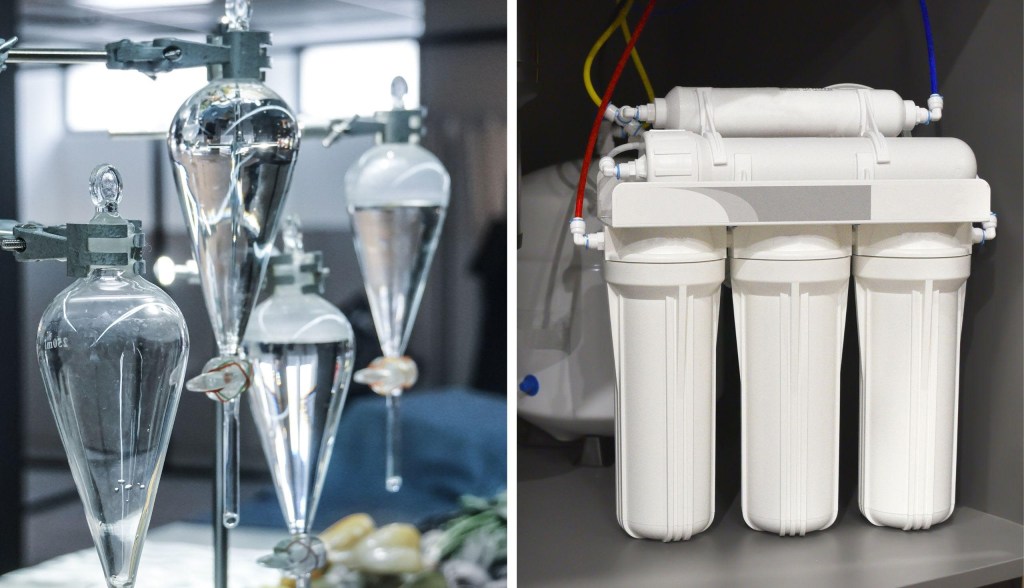
What Are Ultrapure and Distilled Water?
Ultrapure water and distilled water are both types of purified water https://laballiance.com.my/, but they serve different purposes and undergo distinct purification processes.
You’ll find distilled water is great for everyday uses like drinking or cooking because it removes most impurities by boiling and condensation. It’s cleaner than tap water, giving you a fresh start free from minerals and contaminants.
Ultrapure water, on the other hand, is designed for demanding tasks like scientific experiments or electronics manufacturing, where even the tiniest impurity can cause problems. It’s stripped down to near absolute purity, offering you water that’s as close to perfect as possible.
Understanding these differences helps you choose the right water for your needs without compromising your freedom to decide wisely.
How Are Ultrapure and Distilled Water Made?
Although both types involve purification, distilled and ultrapure water are made through very different processes tailored to their specific uses. When you make distilled water, you boil regular water, capture the steam, and condense it back into liquid, leaving most impurities behind. It’s straightforward and effective for basic needs.
Ultrapure water, however, goes beyond this. You’ll find it undergoes multiple stages such as reverse osmosis, deionization, and filtration to strip away nearly all contaminants, including organic compounds and dissolved gases. This meticulous process ensures the water meets the strictest standards, perfect for labs or industries requiring absolute purity. So, whether you want freedom from common impurities or near-total purity, the method you choose shapes the water’s quality and what it’s fit for.
How Ultrapure and Distilled Water Differ in Purity
When you compare the purity levels of distilled and ultrapure water, you’ll notice a significant difference in how thoroughly each removes contaminants. Distilled water eliminates most minerals and impurities through boiling and condensation, giving you water free from many common contaminants.
Ultrapure water, however, goes several steps further. It undergoes additional purification processes like deionization, reverse osmosis, and filtration to strip away virtually all organic and inorganic substances, leaving you with water that’s nearly free of any detectable impurities. This extreme level of purity gives you the freedom to use ultrapure water in precision-demanding environments where even tiny contaminants matter.

When to Use Ultrapure Water vs. Distilled Water
Because different applications demand varying levels of purity, choosing between ultrapure and distilled water depends on what you need it for.
If you’re working in a lab, conducting sensitive experiments, or manufacturing electronics, ultrapure water is your go-to. It ensures no contaminants interfere with results or processes.
On the other hand, distilled water suits everyday tasks like filling steam irons, aquariums, or even for drinking if you want cleaner water than tap. It removes most impurities but doesn’t reach the extreme purity levels ultrapure water offers.
Trust your specific needs to guide you—use ultrapure water when precision matters, and distilled water when you want reliable, clean water for general use without overcomplicating things.
Ultimately, you choose the water that frees you to get your job done right.
Cost and Practical Considerations for Ultrapure and Distilled Water
Weighing the cost and practicality of ultrapure versus distilled water helps you make the best choice for your needs.
Distilled water is generally affordable and easy to produce at home with a simple distiller, giving you freedom from expensive supplies. It’s perfect for everyday uses like drinking, cooking, or simple lab work.
Ultrapure water, however, demands costly equipment and maintenance, usually found in specialized labs or industries where absolute purity is non-negotiable. If your work or hobby requires that level of precision, ultrapure water is worth the investment.
But if you value simplicity and budget-friendliness, distilled water offers a practical solution. Ultimately, your choice depends on how much purity you need balanced against convenience and cost. Choose what aligns with your freedom to decide.
Conclusion
When choosing between ultrapure and distilled water, consider your needs carefully. Distilled water removes most minerals and contaminants, making it great for everyday use like drinking and cooking. Ultrapure water goes much further, removing nearly all impurities, which is essential for sensitive scientific work or electronics. You don’t need ultrapure water for routine tasks, but if precision matters, it’s worth the extra cost and effort to get the purest water possible.

Comments are closed.