

When selecting a pest control spray for your home, you need to pinpoint the exact pest species and understand the infestation’s severity. Choosing a product without this knowledge risks ineffective treatment or unnecessary chemical exposure general pest control. You’ll also want to evaluate ingredient safety, especially if children or pets are present. Balancing efficacy with health concerns requires careful assessment, and knowing how to apply these sprays correctly can greatly impact results. Understanding these factors is essential before making your choice.
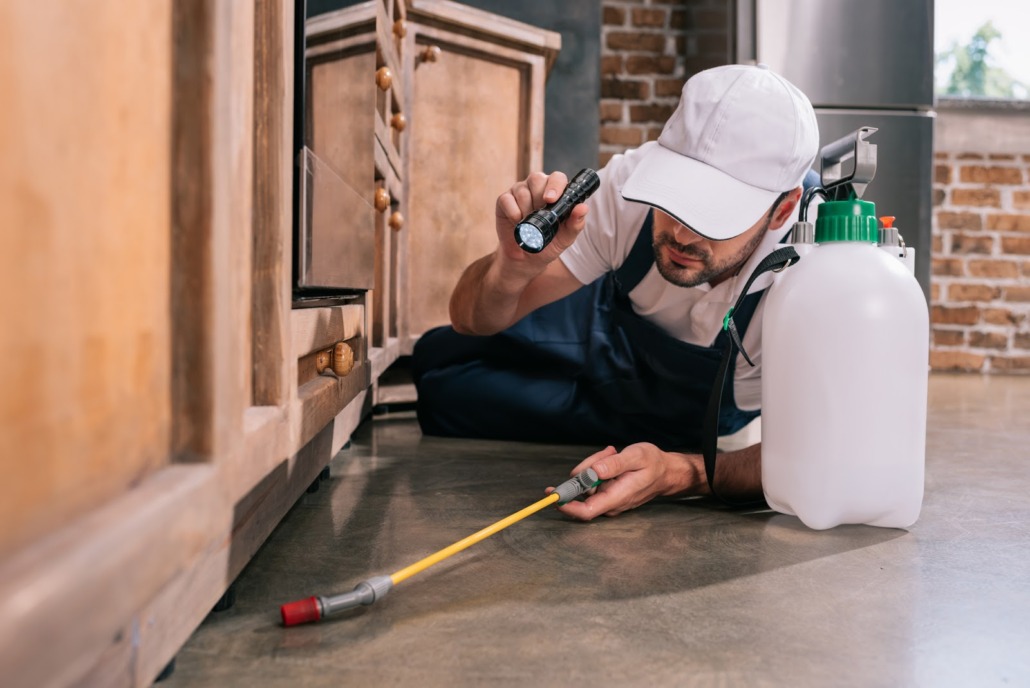
How to Identify Which Pest Control Spray Fits Your Needs
Before selecting a pest control spray, you need to accurately identify the type of pest you’re dealing with, as different sprays target specific insect species and life stages igreenasia. Start by observing physical characteristics such as size, color, and behavior patterns. Use magnification tools for small insects to distinguish species accurately.
Note the infestation location—ants may nest near food sources, while spiders prefer dark corners. Consider whether the pest is in larval or adult form, since some sprays are effective only at certain developmental stages.
Accurately identifying the pest helps you choose a spray that maximizes efficacy and minimizes unnecessary chemical use. This targeted approach preserves your autonomy in managing your environment responsibly and efficiently, avoiding broad-spectrum products that can disrupt beneficial insects or lead to resistance.
What Ingredients Make a Pest Control Spray Effective and Safe
Although selecting the right pest control spray depends on identifying the target pest, understanding the active and inert ingredients in the formulation is essential for ensuring both effectiveness and safety.
The active ingredient delivers the toxic action against pests; common classes include pyrethroids, neonicotinoids, and insect growth regulators. Each targets specific neural or developmental pathways, disrupting pest survival without excessive harm to humans or pets when used properly.
Inert ingredients, such as solvents and emulsifiers, stabilize and enhance delivery but don’t kill pests directly. You’ll want sprays with EPA-approved actives and inert components that minimize volatility and environmental persistence.
How to Use Pest Control Sprays Correctly for Best Results
When you apply pest control sprays correctly, you maximize their effectiveness while minimizing risks to your health and surroundings. Begin by reading the label carefully to understand the target pests, application methods, and safety precautions.
Always wear protective gloves and a mask to avoid inhalation or skin contact. Apply the spray in well-ventilated areas, targeting entry points, nests, or affected surfaces directly.
Avoid over-application; a thin, even layer guarantees ideal pest contact without excess chemical buildup. After spraying, allow the treated area to dry thoroughly before re-entering to prevent exposure.
Store leftover sprays securely, away from children and pets. By following these precise steps, you control pests efficiently while preserving your freedom to live safely and comfortably in your home.
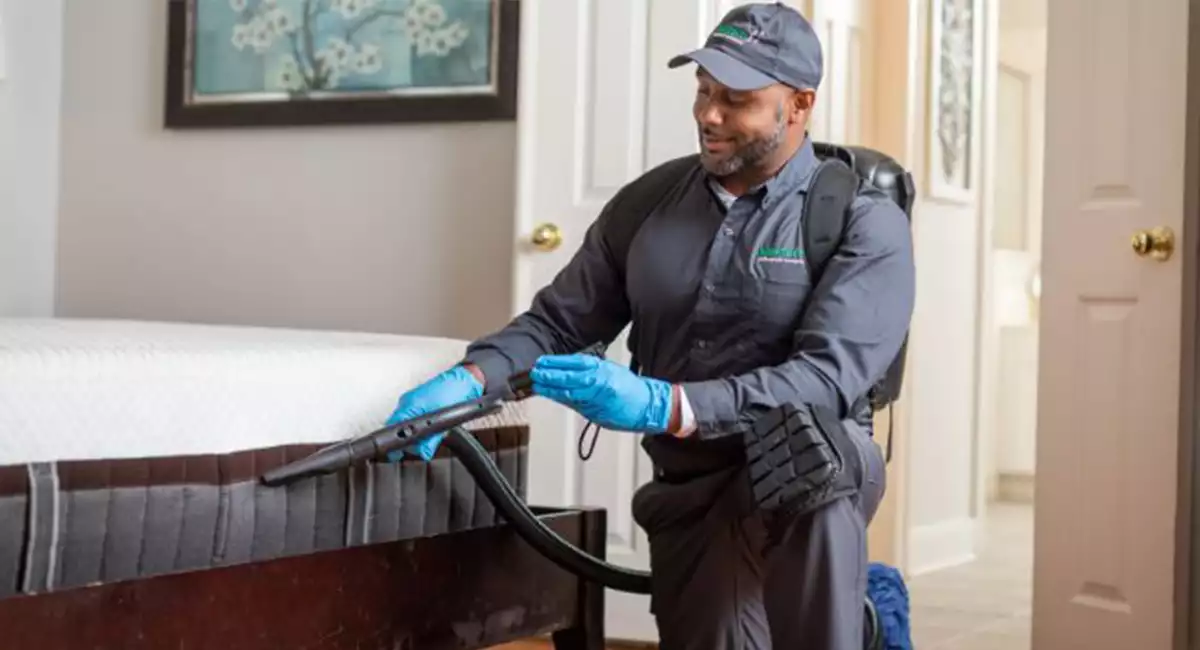
Comparing Natural vs. Chemical Pest Control Sprays for Your Home
Since you want to maintain both effectiveness and safety in pest control, understanding the differences between natural and chemical sprays is essential.
Natural sprays typically use plant-based compounds or minerals to target pests, offering biodegradability and lower toxicity.
Chemical sprays rely on synthetic active ingredients designed for rapid pest eradication but may persist longer in the environment.
When choosing, consider these factors:
- Mode of action: Natural disrupt pest behavior; chemicals often cause neurotoxicity.
- Environmental impact: Naturals degrade faster, chemicals may bioaccumulate.
- Effectiveness spectrum: Chemicals generally cover broader pest types.
- Resistance development: Pests less likely to resist natural compounds.
- Application frequency: Naturals may require more frequent use.
Balancing these elements lets you control pests effectively while preserving your home’s ecological integrity and your personal freedom.
Tips for Choosing Pest Sprays That Are Safe for Kids and Pets
Ensuring your pest control spray is safe for kids and pets requires careful evaluation of its ingredients and application instructions. Start by selecting products with active ingredients recognized as low-toxicity, such as essential oils like peppermint or cedarwood.
Avoid sprays containing organophosphates or pyrethroids, which can pose neurological risks. Check the label for clear usage guidelines, including recommended drying times before allowing access to treated areas.
Use targeted application methods to minimize airborne particles and surface residue—spray only infested zones, not entire rooms. Additionally, consider sprays with rapid biodegradability to reduce environmental persistence.
Always store pest control products securely, out of reach of children and animals. By prioritizing these scientific safety criteria, you maintain a pest-free environment without compromising your family’s freedom to move and thrive safely.
Conclusion
By identifying your pest type and infestation stage, you can select a spray tailored to your needs. Prioritize EPA-approved ingredients to balance effectiveness and safety. Always follow label instructions meticulously, applying sprays in well-ventilated areas while wearing protective gear. Consider natural options if you have children or pets, but know chemical sprays offer faster results. Store unused products securely and target only affected zones to minimize health risks and environmental impact. This precision ensures maximum pest control outcomes.

Comments are closed.